Signed, Slightly Sunburnt: What the Seaside Guest Book Tells Us About Ourselves
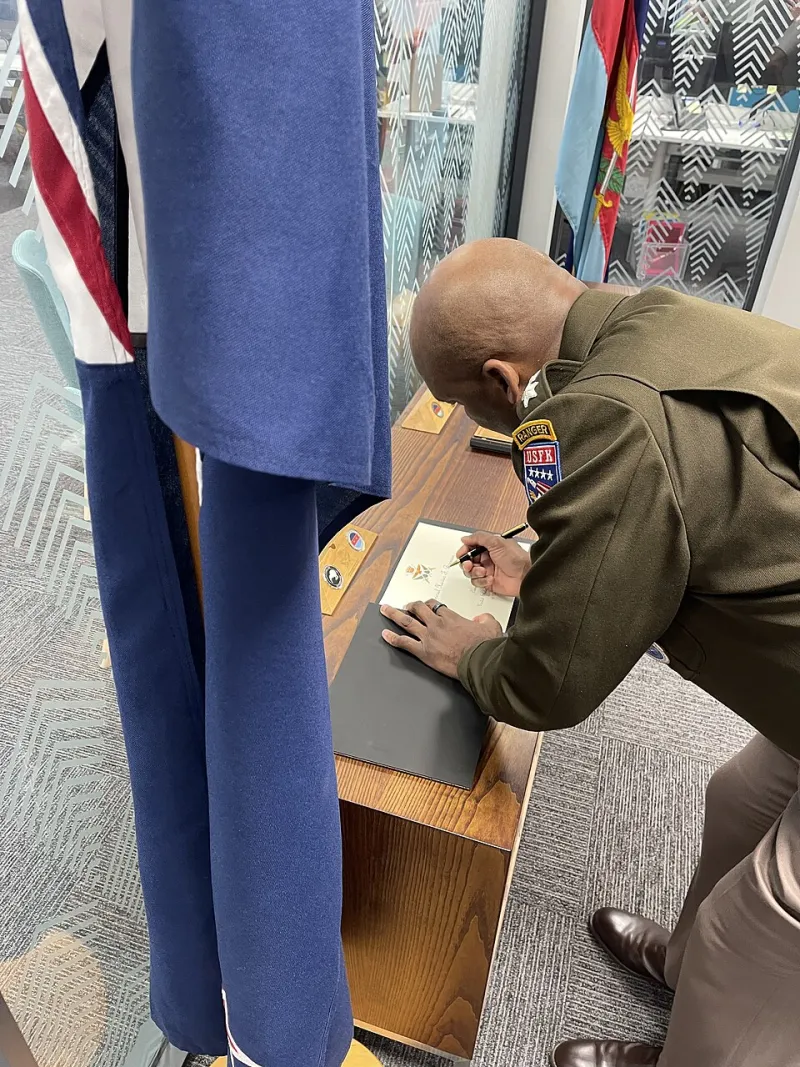
Photo: Col. Ryan Donald, Public domain, via Wikimedia Commons
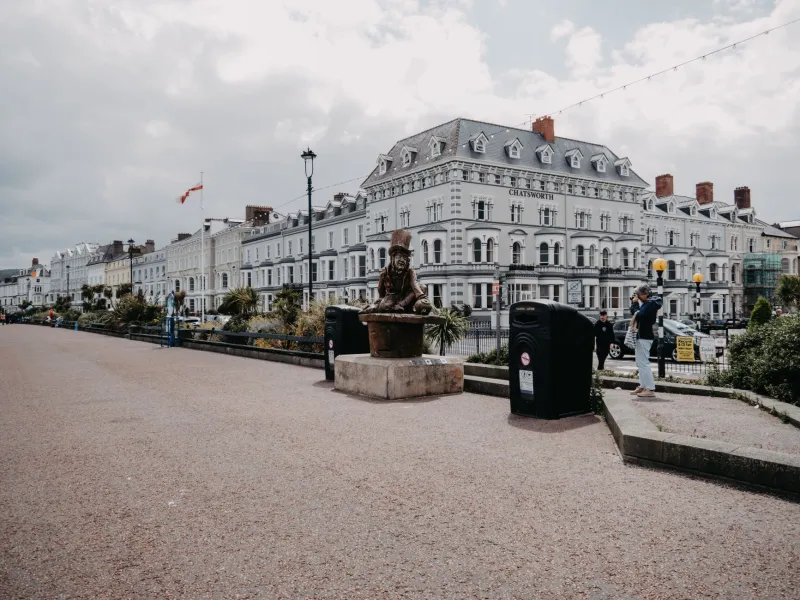
There is a particular kind of British literature that smells faintly of damp canvas and Calpol. It sits in a raffia basket beside a kettle in a holiday cottage, usually under a laminated note about the recycling, and it is written by all of us. The seaside guest book is not a genre we tend to discuss at dinner. It is not reviewed, shortlisted or shelved under travel. But drive to the coast in November, when the beach huts are locked and the promenade is doing its finest impression of a ghost town, and you will find these books everywhere: in caravans, B&Bs, converted barns, static homes and hutches by the sea.
They are, in their own quietly chaotic way, the most honest travel writing Britain still produces.
The book beside the kettle
The format rarely changes. A hardback notebook, perhaps with shells on the cover. A pen attached by a string that has been chewed by at least one dog. A first page that says, in careful handwriting, 'Welcome to Seaview Cottage — please leave a note for future guests.' What follows is never quite what the owner imagined. It is part recommendation, part confession, part village noticeboard, part school exercise book. Someone has drawn a crab. Someone has written 'LOVELY TIME' in capitals and then, underneath, in smaller letters, 'except the shower'.
What makes the guest book so appealing is that it is not performative in the way most online reviews are. There is no star rating, no profile picture, no opportunity to build a personal brand. You are simply a person who has just slept in someone else's bed, used their toaster and failed to work out the immersion heater. You write as a temporary neighbour. And temporary neighbours, it turns out, are remarkably candid.
A democracy of handwriting
In a guest book, the careful cursive of a grandmother sits beside the jagged capitals of a seven-year-old. A couple on their first weekend away writes something hopeful and slightly soppy. A group of friends who have clearly been to the pub writes something less legible. Someone who stayed in 2019 — genuine history, not a current guide — pops up to say the fish and chip shop on the corner is still the best. Someone else disagrees.
This is what makes the pages feel democratic. Travel writing is usually written by people who want to be travel writers. The guest book is written by people who want to get the kettle on. It records the holiday as it was actually experienced: the walk that was longer than expected, the pub that was shut, the unexpected joy of finding a decent cafetière, the dog that refused to go near the sea.
There is also something rather British about the tone. Praise is often delivered with a small apologetic cough. 'Lovely cottage, very clean, we had a wonderful time.' Then, almost as an afterthought: 'Parking is a bit tight.' Or: 'The stairs are steep — fine for us, but worth knowing.' These are not complaints so much as acts of neighbourly concern, passed from one guest to the next like a spare parking permit.
The small complaints are the point
We should not dismiss the complaints. They are where the guest book becomes genuinely useful, and genuinely human. A note that says 'bring a torch for the path back from the pub' is better than any welcome pack. A warning that 'the seagulls are organised' feels like a public service. A line about the shower having two settings — cold and very cold — has saved more marriages than couples counselling.
And then there are the confessions. Not dramatic ones, usually. A guest admits they never worked out how to open the loft window. Someone apologises for breaking a glass and leaves a pound coin under the book, as if the cottage were a honesty box with a roof. One entry might thank the owners for the loan of a dog towel after a muddy walk. Another might confess to having eaten the complimentary biscuits and replaced them with a slightly inferior pack. These are tiny moral dramas, played out in biro.
Children draw the truth
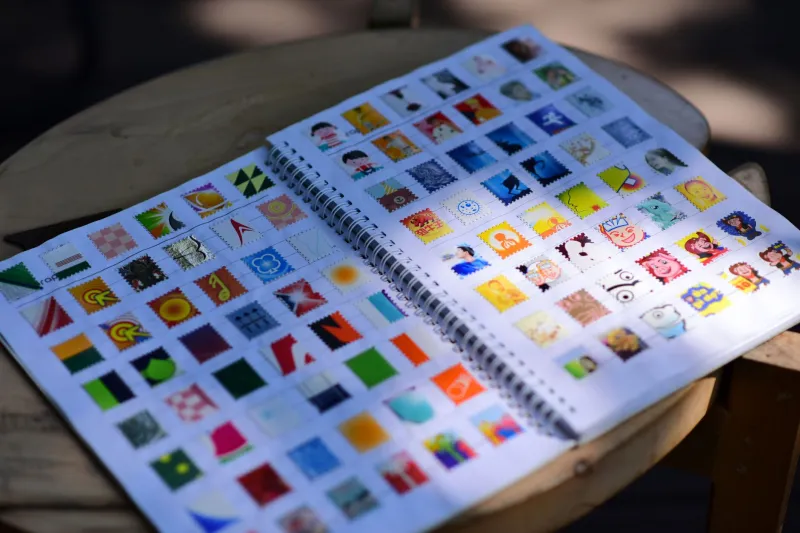
The drawings are their own archive. A child's crayon rendering of the beach, the caravan, the family, the dog. A stick figure labelled 'Dad' falling off a bodyboard. A jellyfish, ominously large. A picture of the cottage with every window coloured in, which tells you more about the week than any paragraph could. Adults write the recommendations; children record the emotional truth.
Sometimes the two collide. A parent writes, 'A lovely peaceful week.' Beneath it, a child has drawn a picture of a seagull stealing a chip, with the caption 'HE WAS HUGE'. Both are accurate. Both belong in the archive.
What we are really saying
When we write in a guest book, we are doing something slightly old-fashioned: we are leaving a message for strangers we will never meet, in a place we will probably never return to. It is a small act of faith in the next person. We are saying: here is what we found, here is what we loved, here is what we would do differently. We are being a good neighbour, briefly, in paper form.
That is why these books can be unexpectedly moving. Among the 'lovely week' and the 'would recommend' are traces of real life. A note about a first holiday after a bereavement. A line about a child's first steps on the sand. A couple thanking the owners for being kind when their car broke down. The guest book does not know it is an archive, which is exactly why it works.
The archive we keep throwing away
Most of these books will end up in a drawer, then a skip, then forgotten. They are not catalogued by museums. They do not appear in bibliographies. But they are a record of how Britain holidays: what we notice, what we forgive, what we complain about in pencil, what we draw in crayon. They are the seaside's unofficial oral history, written by people who were briefly someone else's neighbour and wanted to leave the place a little better than they found it — or at least to warn the next lot about the seagulls.
So next time you stay in a cottage, a caravan or a beach hut, read the book by the kettle. Then add your own page. Be honest, be kind, be brief. And if you break a glass, leave a pound coin. It is the least a temporary neighbour can do.