Named After Neighbours: The Spiral-Bound Cookbooks Britain Still Keeps by the Hob
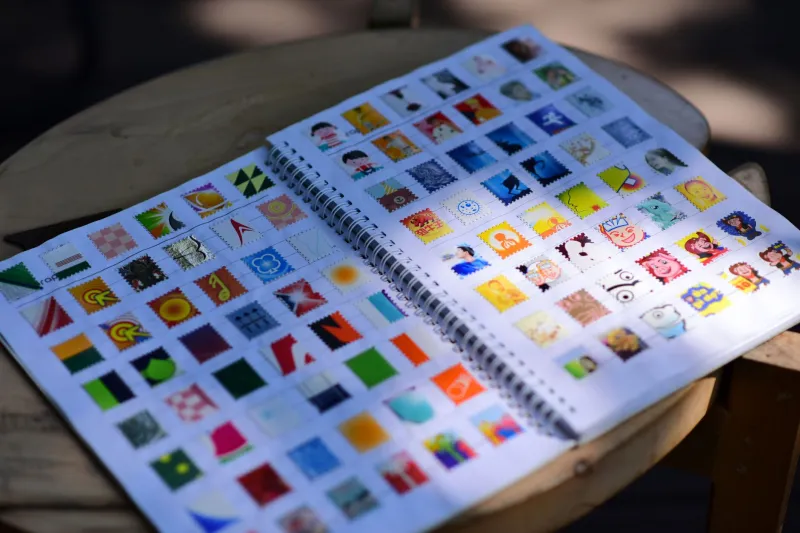
At the back of the school hall, past the tombola and the table of unloved paperbacks, there is usually a stack of them: A5, spiral-bound, cover designed by a parent who knows their way around Canva, title in a font that suggests 1998 never quite ended. The community cookbook. Five pounds, please, and we can do you a bag.
On paper, the format should have been eaten alive by the internet. In 2026, a recipe is a video, a saved post, a spreadsheet, a chatbot’s suggestion, a link that opens seventeen tabs before you have found the paprika. Yet the spiral-bound book persists. It turns up at summer fairs, church fundraisers, refugee welcome centres and school PTA meetings. It is bought, stained, corrected and kept. And it does something the glossy food media rarely manages: it remembers who cooked what, and for whom.
A Cookbook With a Postcode
These are not collections of content. They are collections of people. The recipes have names attached: Margaret’s Lemon Drizzle, Mr Patel’s Dal, Sandra’s Emergency Lasagne, Auntie Jean’s Beef Stew. The ingredients are local and unashamedly practical — a tin of tomatoes, a packet of digestive biscuits, a jar of something from the corner shop. The quantities are often approximate. The instructions assume you already know what a moderate oven looks like.
That is the point. A community cookbook is not trying to teach you to cook like a restaurant. It is trying to tell you how a place eats. It is a directory of small kindnesses: the traybake that appears at every funeral, the soup that gets taken round when someone is ill, the birthday cake that has been made so many times the page has gone soft at the corner.
The Corrections Are the Point
Open a second-hand community cookbook and you will find evidence of use. Biro amendments in the margin. A crossed-out quantity. A note that says ‘less sugar’ or ‘double the gravy’ or ‘works better with oil, not butter — J x’. There is usually a page where someone has written out a missing recipe on a piece of lined paper and Sellotaped it in.
This is the closest thing British home cooking has to a living manuscript. Glossy cookbooks are designed to be admired; community cookbooks are designed to be corrected. The handwritten notes are not mistakes. They are the book’s second edition, written by the people who actually cooked from it.
The Fiver Economy
There is a refreshing bluntness to the economics. Print 200 copies at a local printer. Sell them for a fiver. Put the money towards the church roof, the school library, the refugee welcome group’s bus fares, the new urn for the village hall. Even in 2026, with printing costs doing what printing costs do, the sums can still work because nobody is taking a salary and the cover was designed for free.
The price matters. A fiver is low enough to be an impulse buy and high enough to feel like a contribution. It is also a neat rebuke to the idea that good food writing has to be expensive. These books are not luxury objects. They are fundraising objects, which is a more useful thing to be.
What Gets Preserved
What survives in these pages is not just dinner. It is social history. The church hall collection where a recipe for maqluba sits a few pages from a traybake and a sandwich loaf. The school cookbook where a parent has contributed a family recipe from Lahore next to one from Leeds. The refugee group’s collection where the instructions are careful and generous because the cooks know the reader might not have the same cupboard, the same oven, the same grandmother on the phone.
Glossy food media sells aspiration. The community cookbook sells evidence: this is what we ate, this is who made it, this is what we had. It records the everyday in a way that algorithms rarely bother to. It also preserves the small corrections that make a recipe work in a real kitchen, not a test kitchen.
Why It Still Works in 2026
Part of it is digital fatigue. Part of it is cost. Part of it is that a spiral-bound book is a better gift than a link. But the deeper reason is that community cookbooks are social objects. They are bought because you know the person who contributed page 43. They are kept because your neighbour’s name is in the index. They are passed on because they contain a recipe that someone once made for you.
In 2026, the revival is not loud. It is a second print run. A QR code on the back linking to a fundraiser. A stack on a table next to a honesty box. It is the quiet refusal to let the recipe become frictionless. Some things should have friction. Some things should have a name attached.
How to Read One Properly
Do not treat it like a restaurant menu. Start at page 43 — it is usually where the good stuff hides: a traybake, a one-pot, something with condensed soup and no apologies. Cook one thing. Write in the margin. Add your own correction. Then buy a second copy for someone who will actually use it.
The community cookbook is not a relic. It is a living document, held together by a plastic spiral and a shared postcode. Long may it sit by the hob, getting stained.