The Jam Jar Ledger: What Britain’s Roadside Honesty Boxes Really Sell
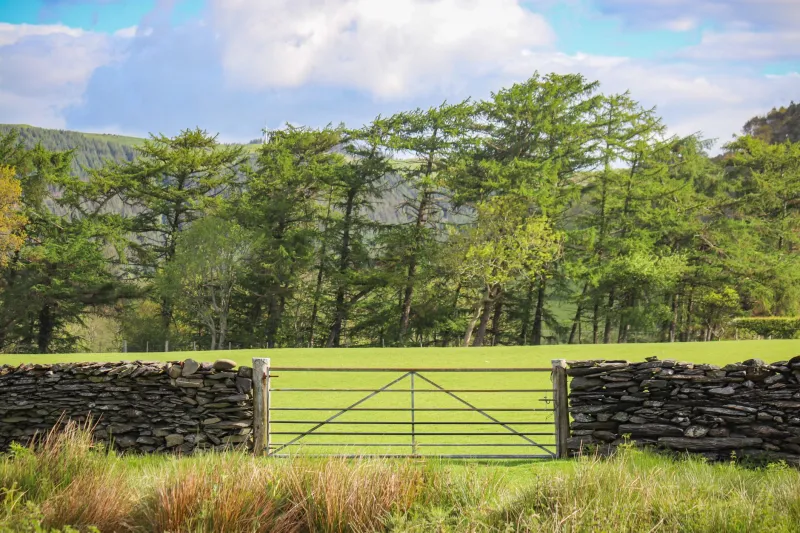
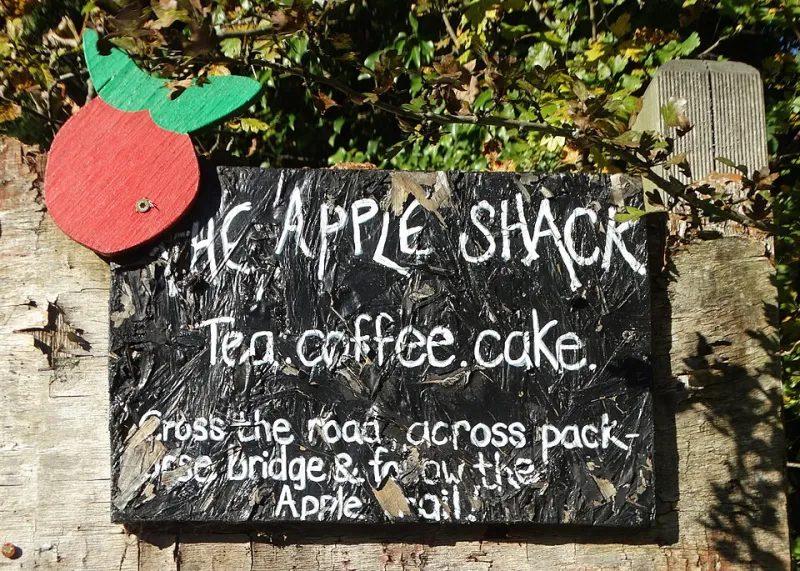
The sign appears before the shed does. EGGS, in white paint on a offcut of plywood, then a smaller line underneath: please close the gate. By the time you spot the shed itself — half a shipping pallet, half a garden project — you have already been told what is for sale and how to behave. That is the honesty box in miniature: stock, price, manners, all compressed into about four square feet at the edge of a field.
I stopped at one on a wet Tuesday in November, somewhere between a Norfolk village and a road that pretended to be a B-road. The box had a Perspex front, a roof made from shed felt, and a handwritten list: eggs, £2.50; damson jam, £4; a few sad-looking courgettes, 50p each. The cash tin was a small lockable box with a slot, and beside it a laminated QR code flapped in the wind. There was no one there. There never is. And yet the whole thing worked.
A shed with a business model
We are supposed to have become a nation of people who do not trust the stranger. We lock parcels in boxes, check reviews before buying a kettle, and regard a ringing landline as a potential threat. Then a farmer leaves a hundred quids’ worth of eggs in a wooden hut and goes back to mucking out. Somehow, the eggs are still there at teatime.
What makes an honesty box work is not naivety. It is design. The best ones are ruthlessly clear. They tell you what is in stock, what it costs, whether the change is in the tin, and whether you are allowed to take the last jar. They are small enough to feel personal and organised enough to feel legitimate. A good box is a tiny piece of rural retail theatre: the chalkboard, the reusable bags, the note that says card preferred but cash is fine. The bad ones are a biscuit tin under a hedge and a sign that has gone illegible since the last storm. Trust needs a bit of infrastructure.
There is a quiet sophistication to the modern honesty box. You will see QR codes beside jam jars, solar fairy lights in winter, and little ledgers recording what has been taken. Some have a cool box for eggs in summer and a note asking you not to leave the lid open. Others sell cut flowers, plant cuttings, surplus runner beans, second-hand paperbacks, candles, chutney, honey, and — in one memorable Perthshire case — small bags of kindling with a suggested price and a warning about damp. It is not all rustic whimsy. It is micro-retail with a gate.
The etiquette is the product
The prices tend to be round, because nobody wants to be doing 37p arithmetic in the rain. The change tends to be in the tin, because the whole point is that you can pay without knocking on a door. The rules are rarely written down in full, but everyone knows them: take what you need, pay what is asked, don’t haggle with a chalkboard, don’t take the last jar without checking whether there is another box underneath, and for heaven’s sake close the gate.
There is also a particular honesty-box etiquette around the awkward moments. If you have no cash, you leave a note and pay later, or you use the QR code and hope the signal holds. If the box is empty, you do not root around in the back. If you are short by 20p, you leave what you have and mouth an apology at the shed. If you are over by 50p, you do not take an extra egg as compensation; you leave the 50p and feel mildly virtuous for the rest of the day.
The social contract is not enforced by a camera. It is enforced by the fact that the person who fills the box is probably known in the village, and the person who empties it is probably on their way home from work. There is a ledger, even when there is no ledger. People remember.
What the box is really selling
On the surface, it sells eggs. Beneath that, it sells something closer to reassurance: the idea that a small transaction can still be simple, local and face-to-face in the loosest possible sense. There is no algorithm deciding which jam you see first. There are no reviews. There is no two-factor authentication. There is a jar, a price, and a slot in a tin.
That matters more in a year when so much of daily life has been tidied into apps. The honesty box is a rare bit of retail that runs on weather, season and neighbourliness. It is also an economic lifeline for people with a glut of something and no desire to stand at a market. A few dozen eggs a week will not make anyone rich, but it keeps the gate painted and the jam pan in use. In a small way, it keeps the lane inhabited.
A practical guide to setting one up
If you have surplus eggs, courgettes, jam or books, and a wall near the road, the temptation is to go full rustic. Resist it slightly. Start small, but start properly.
- Give it a roof and a shelf. A sturdy box with a hinged lid, a Perspex front and a bit of weight is better than something that will blow into the hedge. Shelter the stock from rain and direct sun.
- Price in round numbers. Clear chalkboard or laminated signs. State whether change is available and where the money goes.
- Offer cash and card. A lockable cash tin with a slot, plus a QR code at eye level. Keep the QR code dry. Keep the float modest.
- Stock little and often. A full box looks like a shop; a half-empty one looks like a clue. Nobody wants to take the last sad egg.
- Label food properly. If you are selling jam, chutney, cakes or eggs, check the local rules on food hygiene and labelling. Keep it simple and honest, and do not sell anything you would not eat yourself.
- Check your insurance. A roadside box is usually low-risk, but a quick word with your insurer is cheaper than an argument about a broken gate.
- Tell the neighbours. Not because you need permission, but because a box at the lane end becomes part of the lane. A note in the village hall newsletter is the rural equivalent of a launch party.
The best honesty boxes are not trying to be clever. They are trying to be useful. The jam jar with a slot in the lid is not a monument to trust; it is a small, practical agreement between people who may never meet. You take the eggs. You leave the money. You close the gate. The ledger balances, more or less, and the lane carries on.