The Front Room Is the New Dining Room: Britain’s Home-Dining Clubs Come of Age
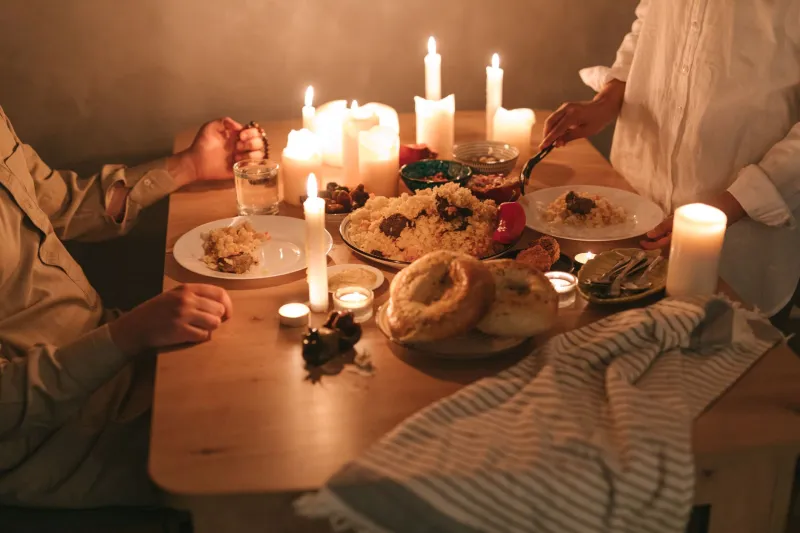
There is a particular sound a good supper club makes: chairs scraping on a kitchen floor, someone apologising for bringing the wrong wine, a host saying “sit anywhere” while secretly hoping everyone does not sit anywhere. It is not the polished hush of a restaurant. It is better than that, or at least different. In 2026, across Britain, more people are paying to eat in other people’s homes, and more home cooks are discovering that a front room with a decent table and a clear menu can become a small, sociable business.
Why now?
The economics are not mysterious. Restaurants carry rent, staff, energy bills, card fees and the general cost of looking like a restaurant. A home host already has a kitchen. They are not trying to recreate a professional dining room; they are trying to cover ingredients, a bit of time and the cost of doing things properly. That means a fixed menu, a set ticket price and a room that holds ten or twelve people rather than sixty.
For guests, the appeal is equally practical. A supper club is often cheaper than a comparable restaurant meal, though not always cheap. It is also a way to go out without the full performance of going out: no queue, no bellowing over a bar, no decision paralysis over a menu that runs to four pages. You turn up, you eat what you are given, you talk to the person next to you. In a country that still finds strangers slightly suspicious, that is a small act of optimism.
There is a social appetite too. Since the pandemic, plenty of us have become pickier about how we spend an evening. We want something that feels like an occasion but not an ordeal. The supper club sits neatly in that gap. It is not a dinner party, because you are not expected to bring a pudding or help with the washing-up. It is not a restaurant, because the host is in the room and the menu is short. It is a third thing: a small, ticketed gathering with a kitchen at the centre.
What it actually looks like
Most supper clubs are less dramatic than the phrase suggests. You might get three courses, a bring-your-own-bottle arrangement and a table of eight to fourteen people. You might get a theme — a Yorkshire-Italian menu in Leeds, a Gujarati vegetarian spread in Leicester, a Sunday-lunch-style roast in Cardiff — but the theme is usually a doorway, not a gimmick. The best ones feel like someone cooking the food they actually know, for a room that is actually theirs.
Outside London, the model has taken on a local shape. In Bristol, hosts lean into seasonal veg and natural wine. In Glasgow, there is a strong strain of comfort food with a sharp edge. In Norwich and Sheffield, smaller towns and city suburbs are proving that you do not need a fashionable postcode to fill a table. Some hosts run once a month; some run a single night and see how it goes. The common thread is a fixed menu, a booked seat and a host who has thought about allergens before you ask.
The host’s maths
This is where the romance meets the spreadsheet. A twelve-seat supper club at £40 a head brings in £480. Ingredients might take £150. Wine for the host’s own generosity, sundries, replacement plates and the cost of a booking platform can eat another £50 to £100. Suddenly the “profit” is a modest fee for two days of shopping, cooking and clearing up. Most hosts are not getting rich. They are covering costs, building a reputation and seeing whether the idea has legs.
If you are thinking of starting one, begin smaller than you think. Six guests is a dinner party. Ten is a supper club. Fourteen is a small restaurant and you will feel it in your feet. Test the menu on friends who will tell you the truth. Write down your allergens and keep the information clear. In the UK, if you are regularly supplying food to the public, you will need to register with your local council as a food business and think seriously about food hygiene, insurance and allergen information. If you want to sell alcohol, check the licensing rules rather than assuming a bottle of BYO red solves everything. Many successful clubs keep it simple: no bar, no cocktails, bring your own if you like.
Price honestly. A deposit reduces no-shows. A clear cancellation policy is less awkward than chasing someone for money after they have failed to turn up. And do not promise a restaurant experience. Promise a good dinner in a real room. People are surprisingly forgiving about mismatched chairs; they are less forgiving about being hungry at 9.30pm.
How to be a good guest
Book properly, pay on time and send dietary notes in advance rather than on the doorstep. If it is bring-your-own, bring something you would be happy to drink and perhaps a little extra to share. Arrive when you are asked to arrive. Do not treat the host like a waiter, and do not wander into the kitchen unless invited. If you loved it, tell them. If something went wrong, tell them quietly rather than posting a forensic review from the bus home.
The guest list matters too. A supper club works when people are willing to talk to the person they did not arrive with. You do not have to be gregarious. You just have to be slightly curious.
The point of the table
Supper clubs will not replace restaurants, and they should not try. They are too small, too personal and too dependent on one person’s energy. But they offer something restaurants often cannot: the sense that you have been let into a room rather than processed through one. In 2026, with so much of life mediated by screens and booking apps, that feels less like a trend and more like a correction. Pass the salt. Pass the invite. The table is the ticket.